


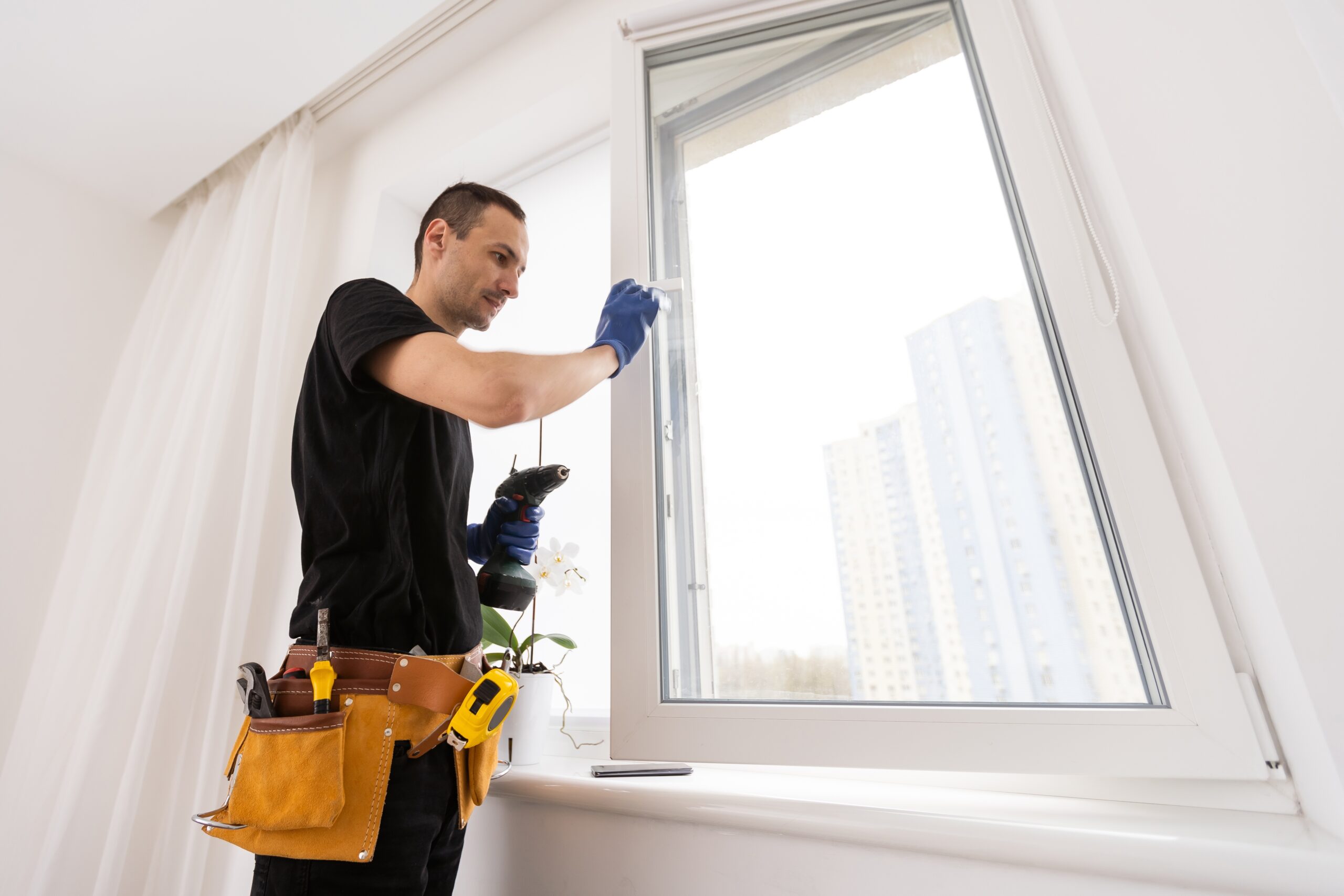
Living in the desert means your home is in a constant fight against heat, and most people do not realize how much of that fight happens at the glass. Every window in Palm Desert, CA, installed without the right performance specifications for this specific climate becomes a direct path for heat to enter and cool air to escape, and the energy bills tell that story month after month. This is not a conversation about aesthetics; it is about engineering, material science, and understanding what sustained triple-digit temperatures actually do to standard building components over time. The right glazing, the right frame, and the right coatings work together as a system, and when that system is chosen correctly, the difference inside the home is immediate and lasting.
1. Why Standard Glass Simply Does Not Cut It Here
Off-the-shelf glass units are manufactured to meet general performance benchmarks that were never written with Palm Desert, CA, in mind. Single-pane glazing transfers heat with almost no resistance, which means the cooling system runs longer and harder to offset what the glass is letting straight through. Double and triple-pane units with inert gas fills between the layers create a genuine thermal barrier that changes the equation entirely. The comfort difference on a 110-degree afternoon is not something you have to measure; you feel it immediately. Choosing glazing based on local climate performance ratings rather than catalog defaults is the only starting point that makes sense out here.
2. Frame Material Carries More Responsibility Than People Give It
The frame surrounding the glass does as much thermal work as the glass itself, and it gets far less attention during the selection process. Aluminum frames conduct heat efficiently, which makes them a liability in desert climates regardless of how clean the profile looks on the exterior. Vinyl and fiberglass frames insulate significantly better, hold their shape through extreme temperature cycling, and do not pull away from the surrounding structure the way metal-based options can under prolonged heat stress. A frame that loses its seal integrity allows heat infiltration that no coating or glass rating can fully compensate for. Getting the frame right is not a secondary decision; it is part of the same one as getting the glass right.
3. Where the Entry Fits Into the Thermal Picture
Climate management in a desert home is a whole-system effort, and every opening in the building envelope contributes to how well it holds up under heat. Investing in properly rated entry doors in Palm Desert, CA, matters here because a poorly insulated or loosely fitted door quietly undoes a significant amount of what the rest of the installation is achieving. Core material, threshold seal, hardware quality, and door sweep all affect how much heat moves through the entry point during the hours it sits in direct sun. A home that performs well does so because every element was treated as part of the same solution, not assessed in isolation. The entry either strengthens the system or weakens it; there is no neutral ground.
4. What Low-E Coatings Are Actually Doing for You
Low-emissivity coatings work by reflecting infrared radiation before it passes through the glass rather than absorbing it and transferring it inward, and in a desert climate, that distinction matters enormously. The practical result is a cooler interior without any meaningful reduction in the natural light that makes a space feel open and livable. Solar heat gain coefficients vary between products, and choosing the right rating for south or west-facing installations in the Coachella Valley makes a measurable difference year-round, not just in summer. These coatings also protect interior surfaces from UV degradation, which means flooring, furniture, and finishes near glass panels hold up noticeably longer. Performance glazing in this climate is a practical necessity, not an optional upgrade.
5. Knowing When Targeted Repair Is the Right Answer
A full replacement is not always the right response to a performance problem, and understanding the difference saves real money when the surrounding structure is still solid. Seal failures, hardware wear, and minor frame issues are situations where professional window repair in Palm Desert, CA, restores function and efficiency at a fraction of the replacement cost. A broken seal that causes condensation between panes eliminates the insulating gas fill and reduces the unit to single-pane performance, which in this climate is a serious problem worth addressing quickly. Early intervention keeps the surrounding frame and structure intact and protects the original investment rather than writing it off entirely. A professional assessment makes the repair versus replace decision straightforward rather than a guessing game.
Conclusion
The desert tests every material decision made during installation, and the homes that stay genuinely comfortable in extreme heat got that way through deliberate choices about glazing, coatings, frames, and entry performance. Defaulting to standard specifications in a climate like this means paying for that shortcut in energy costs and comfort every single year. Getting the selection right from the start is always less expensive and less frustrating than correcting a poor specification after the fact.
“Call us Clear Winner at 760-338-0364 today! We spec glass solutions built for desert heat so your home stays cool and comfortable all year long.”
FAQs
Q1: What type of window in Palm Desert, CA, performs best in extreme desert heat?
Double or triple-pane units with low-E coatings and inert gas fills are consistently the strongest performers in this climate. A well-specified window in Palm Desert, CA, rated for high solar heat gain reduction keeps indoor temperatures noticeably more stable without forcing the air conditioning to compensate constantly. Frame material matters just as much as the glass, and anything that conducts heat easily is the wrong choice here, regardless of how it looks.
Q2: How do entry doors in Palm Desert, CA, affect how well a home manages heat?
More than most homeowners expect, honestly. Entry doors in Palm Desert, CA, that are poorly insulated or improperly sealed allow heat transfer that undermines everything the rest of the home’s glass and framing is working to prevent. A door with a compromised threshold, weak core material, or failing hardware seal can be responsible for a surprising amount of the discomfort people attribute to other causes. Treating the entry as part of the same thermal system rather than a purely visual element makes a real difference.
Q3: How often is window repair in Palm Desert, CA, actually necessary in this climate?
More regularly than in milder regions, because the heat cycles here accelerate wear on seals, hardware, and frame connections over time. Window repair in Palm Desert, CA, becomes genuinely necessary when seal failures show up as condensation between panes, when frames have shifted enough to affect operation, or when hardware has corroded past the point of functioning smoothly. Catching these issues early protects the surrounding structure and extends the life of the installation significantly.