


Modern home design leans heavily on glass these days, and not by accident. Architects and homeowners alike keep reaching for glasswork solutions in Palm Desert, CA, when standard catalog products simply don’t fit the vision for the space they’re trying to create. A frameless shower enclosure with a curved wall, a glass railing along an open staircase, and a custom backsplash that runs the full length of the kitchen counter, these are the projects that catalog hardware can’t touch and that elevate a home from nice to memorable. The catch is that custom glasswork involves layers of decisions that most homeowners never have to think about until the quote arrives with line items they don’t recognize. Edge profiles, thickness ratings, tempering requirements, mounting hardware, sealing strategies, lead times, all of it shapes the final product and the final price. The next five sections walk through what the work actually involves, what it costs, and what to ask before any contract goes out.
1. Where custom glass earns its place in the home
Custom glass shows up first in the bathrooms, where the difference between a catalog shower door and a true bespoke enclosure changes how the entire room reads. A frameless shower with bronze hardware and 3/8-inch low-iron glass costs roughly $1,800 to $3,500 installed, depending on dimensions and any unusual angles in the wall framing. Kitchen backsplashes in painted or printed glass run $80 to $200 per square foot, replacing tile with a single seamless surface that wipes clean in seconds and reflects light deep into the space. Glass railings on staircases and balconies have moved into the mainstream over the past decade, with structural glass panels and standoff hardware delivering the open feel that wood and metal railings simply can’t match. Each application demands different glass specs, hardware, and install techniques, which is why pricing varies so dramatically between projects that sound similar on paper.
2. The glass specifications that actually matter
Glass selection in this work isn’t just thickness, it covers tempering, low iron clarity, edge treatment, and any specialty coatings the project requires. Tempered glass is mandatory by code for shower doors, railings, and any panel within 24 inches of a walking surface, since standard annealed glass breaks into dangerous shards under impact. Low iron glass eliminates the slight green tint that standard float glass carries, which matters enormously for thick panels where the green stacks visibly into a noticeable color cast at the edges. Edge polishing options range from flat polished standard at $8 to $12 per linear foot, up to beveled or ogee profiles at $25 to $45 per linear foot. Anti-spotting coatings add $50 to $150 per shower door but transform the cleaning schedule from weekly to monthly, which any homeowner appreciates by month three of ownership.
3. What a real bespoke project looks like in this market
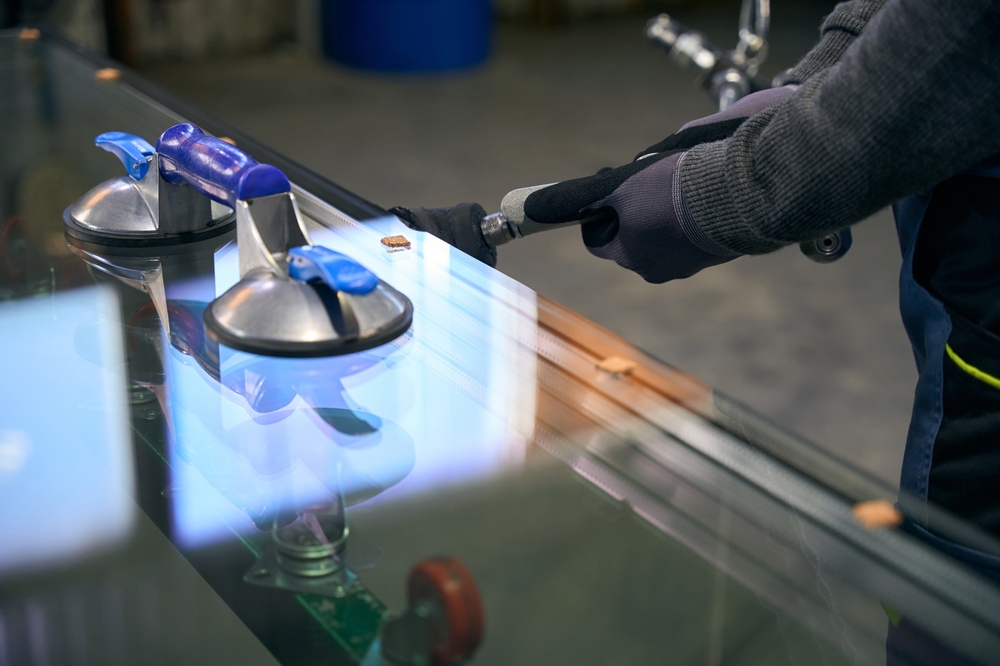
Most homeowners exploring custom glasswork solutions for their homes quickly discover that the process differs from any other home improvement category they’ve experienced before. The fabricator measures the actual opening or wall on site after framing is complete, since manufacturer tolerances on drywall and tile work create variations that pre measured glass cannot accommodate cleanly. Templates get cut from cardboard or rigid foam to verify the fit before any glass is ordered, particularly for shower enclosures with curved walls or unusual angles in the framing. Glass fabrication itself runs two to four weeks for standard custom orders, stretching to six or eight weeks for specialty coatings or unusual dimensions outside standard sheet sizes. Install day brings two technicians and a truck full of suction handles, since custom glass panels in shower or railing applications routinely weigh over 100 pounds and demand careful handling throughout.
4. Bundling custom glass with related work
Custom glass work often connects naturally to other glass and home projects already on the homeowner’s radar. A bathroom remodel scoped around a custom shower enclosure usually includes vanity mirror updates, decorative wall mirrors in the powder room, and any mirror repair in Cathedral City, CA, that’s been on the project list for a while. Same crew, same trip, same warranty paperwork makes the logistics dramatically easier than scheduling each item across separate weekends. Most fabricators discount bundled work by 10 to 18 percent when multiple items run through the shop on a single production cycle, since setup costs and material-handling efficiencies stack in the customer’s favor. Walk through the home with the fabricator on the first visit and note every glass-related item that needs attention, since the bundle math beats the alternative almost every time.
5. Lead time, install sequence, and the practical timeline
Custom glass projects sit awkwardly in the construction sequence on most renovations, and homeowners benefit from understanding why before any schedules get committed. Glass templates can only be cut after framing, drywall, tile, and any surrounding finishes are complete and verified, since the final dimensions depend on actual built conditions rather than design drawings. That means glass orders typically can’t be placed until late in the renovation, with the install happening near the end of the project. Fabrication lead times of 2 to 4 weeks can become critical path items if not carefully planned, since other trades cannot complete their work around glass that hasn’t arrived yet. Plan the renovation timeline backward from the desired completion date, building in the full glass production window plus a one week buffer, and you’ll avoid the most common scheduling frustration in custom glass work.
Conclusion
Custom glasswork elevates modern homes in ways that catalog products simply cannot match, but it demands more planning and patience than a standard renovation. Specifications, lead times, and the install sequence matter more than most homeowners initially realize. Working with an experienced fabricator from the design phase forward saves significant frustration and rework on the back end of the project. The result transforms how the entire home feels every single day. A few extra weeks in planning translates into years of daily appreciation for the finished result.
“Bespoke glass, precise measurements, smooth installation. Ring Clear Winner at 760-338-0364 to scope your project, lock the timeline, and start the design phase.”
FAQs
Q1: How much does custom glass work typically cost in Palm Desert, CA?
Most projects in this area run between $1,500 and $7,000, depending on scope, glass type, and any specialty hardware involved. Frameless showers and glass railings sit at the higher end, while backsplashes and smaller decorative panels run toward the lower range.
Q2: How long does a custom glass project take from start to finish in the Coachella Valley?
Standard fabrication runs two to four weeks from final measurement, stretching to six or eight weeks for specialty coatings or unusual dimensions. The installation day itself typically takes three to six hours for most residential projects, depending on the complexity of the mounting work.
Q3: When is the best time to schedule custom glass work in the Coachella Valley?
Late fall through spring works best for indoor projects, since the cooler temperatures help sealants cure cleanly and fabrication lead times stay shorter outside the peak renovation season. Booking the design phase early gives the project the breathing room it deserves.