


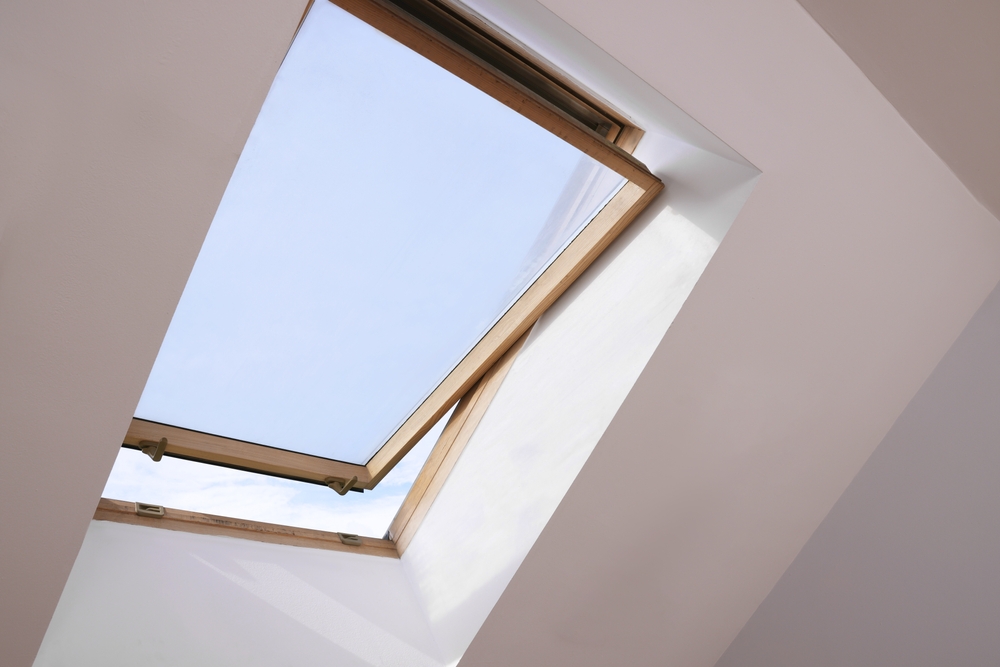
A skylight never breaks with a bang. It just starts whispering. A faint brown ring blooms on the ceiling after the first real rain. The light coming through looks a little yellow, a little tired. There is a draft in a spot that used to sit still. Most people notice, shrug, and file it under later. That is the trap. By the time a skylight is obviously bad, water has usually been chewing on your drywall and framing for months. Knowing when it crosses the line from a small fix into a full skylight replacement is the whole game, and the clues are louder than you think once you learn the language.
1. The Quiet Signals Coming From Your Ceiling
Start with the ceiling, because that is where the truth surfaces first. A brown or rust-colored stain spreading out from the frame means a leaking skylight is pumping water into places you cannot see. That stain is not the problem. It is the receipt. Now look at the glass itself. If there is a permanent haze or fog trapped between the panes that no cloth will ever wipe away, the seal has blown, and the insulating gas has bled out. Cracks and spiderweb lines, especially on older plastic units, are a written invitation to the next storm. And trust your own skin. If you feel a draft standing under it, or you hear it whistle and rattle when the wind kicks up, the weatherstripping or the flashing has quit. One of these is a maybe. Two or three of them stacked together is your roof telling you the clock already ran out. The tricky thing is that none of these signs shout. They mumble for a year or two, then one heavy storm turns a mumble into a soaked ceiling overnight.
2. Age Catches Up With Everything Up There
People forget that the thing on their roof has an expiration date stamped on it in invisible ink. Not every unit ages the same, though. The material decides almost everything. Those puffy plastic bubble skylights from the eighties and nineties yellow, go brittle, and crack years before anyone is ready for it. Modern glass roof skylights run far longer, especially the fixed ones with no moving parts to wear out. And in the desert, where the sun is relentless and roof surfaces bake, that whole timeline gets squeezed. UV cooks seals and hardens plastic faster than any mild coastal town ever could. Here is the rough breakdown by material:
| Skylight Type | Typical Lifespan | First Thing to Fail |
|---|---|---|
| Acrylic or plastic bubble | 10 to 15 years | Yellowing and brittle cracking from UV |
| Polycarbonate | 15 to 25 years | Surface hazing and worn seals |
| Glass, fixed | 20 to 30 years | Fogging between the panes when the seal blows |
| Any vented or opening unit | Around 15 years | Moving parts and weatherstripping |
If your unit is past fifteen and flashing any of the signs above, you are living on borrowed time, not a maintenance schedule. Worth knowing too: most factory warranties cover the glass for around twenty years but the seals and leaks for only about ten, which tells you where the makers themselves expect trouble to start.
3. Patch It, or Pull It Out?
Not every problem calls for a full teardown, and any honest crew will say so out loud. A fresh bead of flashing sealant or a replacement gasket can buy a sound, younger unit several more good years, and a targeted skylight repair is the right call when the glass and frame are still solid, and only the seal or the flashing let go. But there is a line, and it is a hard one. Once caulk is doing the structural work, you are renting time, not fixing anything. Chronic leaks, fogged double panes, a cracked or warped frame, or a unit already past its lifespan all point the same direction. And the swap pays you back. Trading a tired single-pane relic for modern energy-efficient skylights with laminated low-emissivity glass cuts the heat flooding in during summer and the warmth leaking out in winter, which your air conditioner will notice on the first brutal July afternoon. Old skylights leak money as steadily as they leak water.
4. Getting It Done Without a Second Leak
Here is the uncomfortable part. Most skylight leaks are not the glass failing at all. They are bad flashing from a rushed install. Flashing is the layered metal collar that stitches the unit into your roof, and if it is done wrong, the thing will weep no matter how pricey the glass was. This is the one job where the crew matters more than the product on the box. A serious skylight company treats the flashing and the roof line as the actual work, not a five-minute afterthought, and backs the seal with a workmanship warranty you can hold them to. Ask how they tie in the flashing before you ask about anything else. At Clear Winner, we keep the whole thing refreshingly plain: one visit to look and measure, a clean install, and you standing there genuinely glad you called. That is the entire shape of a job worth paying for.
The Short Look Up
Skylights fail slowly and politely, which is precisely why they blindside people. A stain that keeps growing. Glass that fogs and will not clear. A draft, a crack, a whistle in the wind, a unit quietly aging past its years. None of it is random noise. Every signal traces back to the same tired frame overhead, and the water damage keeps compounding while you wait it out. Catch it early, get an honest read on repair versus replace, and lean on a crew that treats the flashing as the real work. Do that, and the light overhead stays beautiful instead of turning into a slow, costly drip through your ceiling.
“That stain on your ceiling will not fix itself, and it only gets bigger. Clear Winner will track down the leak and set it right. Grab your phone and dial 760-678-5596 today.”
FAQs
1. How does the desert sun in Palm Desert affect how long a skylight lasts?
Palm Desert’s intense, year-round UV and high roof temperatures are hard on any unit up top. Plastic and acrylic models yellow and grow brittle faster here than in cooler regions, and seals bake out sooner, so many desert homes see wear a few years ahead of the national average.
2. How often should I have the unit on my roof inspected in Palm Desert?
Twice a year is a smart rhythm for Palm Desert homes, ideally before and after the hottest stretch and any monsoon rain. A fast look for stains, hazing, and cracked seals catches small trouble before the next storm turns it into ceiling damage.
3. Is fogging between the panes really a problem for Palm Desert homes?
Yes. In Palm Desert, moisture trapped between the glass means the seal has failed, and the insulating gas has escaped, so the unit no longer blocks heat well. Beyond the cloudy view, it quietly pushes your cooling bill up all summer long.