New Front Door Installation Guide: Prices, Materials, and Common Mistakes to Avoid
Introduction Your front door does more than swing open and shut. It safeguards your home, sets the tone when visitors come to the door, and
Sliding glass doors do more than provide access to a patio or backyard. They influence natural light, ventilation, insulation performance, and even how spacious a room feels. When properly selected and installed, they create a smooth transition between indoor and outdoor living while strengthening security and energy efficiency.
Many homeowners focus only on style when planning sliding glass door installation, but structural framing, track alignment, glazing options, and sealing methods are equally important. A well-installed system operates effortlessly for years, while improper installation can lead to drafts, water intrusion, or premature hardware wear.
At Clear Winner, we guide homeowners through each phase of the process so they understand not only what they’re installing, but why each component matters for durability and long-term comfort.
Unlike traditional hinged doors, sliding glass doors operate on a horizontal track system supported by rollers. The panels glide along precision-aligned tracks, while stationary panels anchor the system securely within the frame.
The door frame must integrate properly with wall studs, headers, and exterior finishes. Structural support is especially important because sliding glass doors create a large wall opening. Proper flashing, weatherproofing membranes, and sealing techniques protect against moisture intrusion.
When installed correctly, the system balances smooth movement with tight sealing. When installed incorrectly, even small alignment errors can cause sticking, air leaks, or long-term frame distortion.
Sliding doors come in vinyl, aluminum, fiberglass, and wood-clad frames. Each material offers different insulation levels, maintenance requirements, and aesthetic appeal.
Glass selection also impacts performance. Double-pane and triple-pane insulated glass units improve temperature control. Low-E coatings reduce heat transfer and protect interior furnishings from UV damage. Tempered safety glass enhances durability and meets building code standards.
In warmer climates, selecting insulated glass reduces indoor heat gain. In cooler regions, thermal efficiency prevents energy loss. The right combination improves comfort without increasing energy demand.
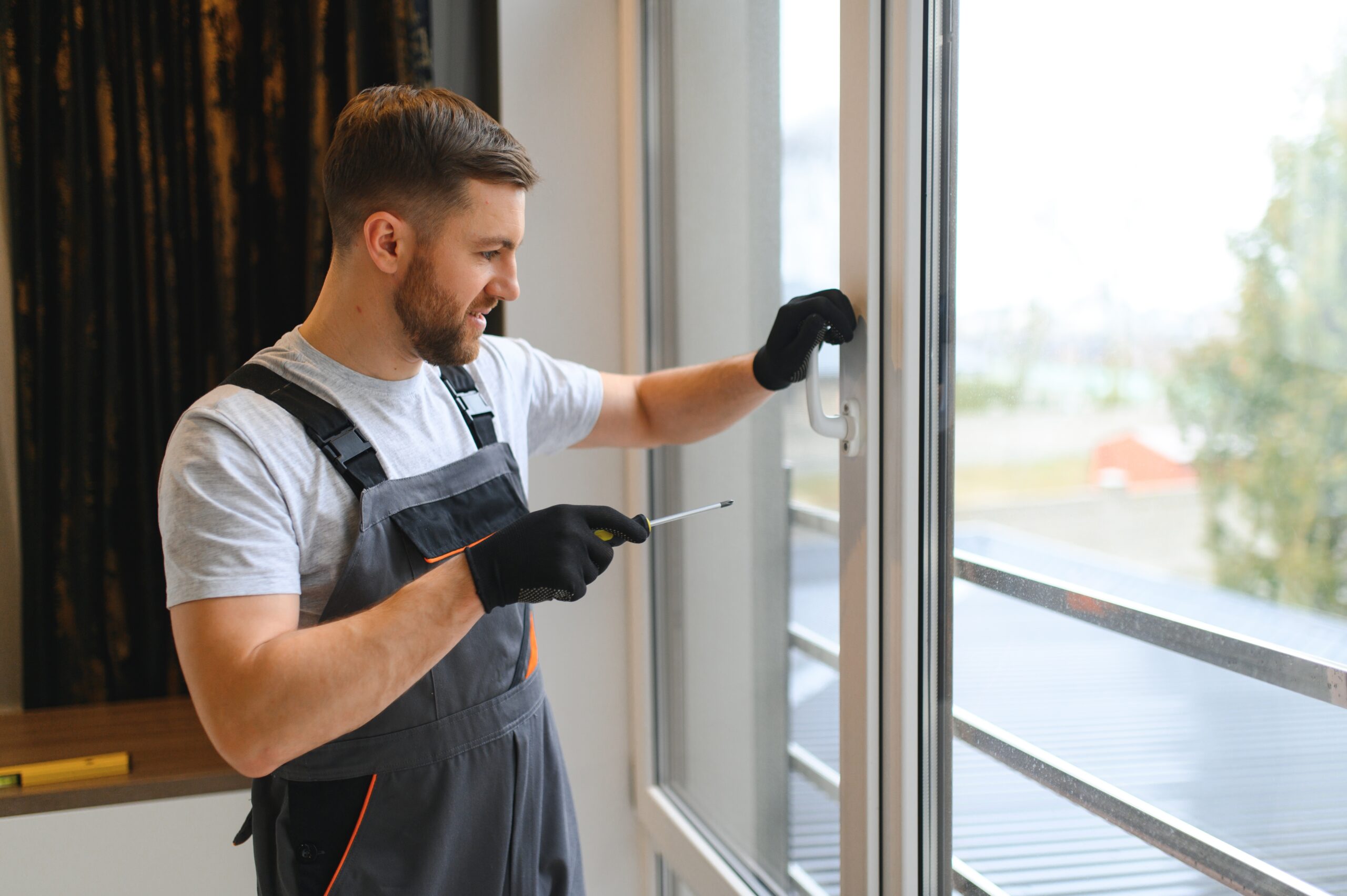
Precise leveling is critical. Even slight misalignment can affect how panels glide. Installers also test rollers, locks, and track movement before completing interior and exterior finishing.
Attention to these details determines whether the door will operate quietly and efficiently for decades.
Large glass panels influence indoor temperature more than smaller windows. Energy-efficient doors use insulated frames and multi-pane glazing to reduce thermal transfer.
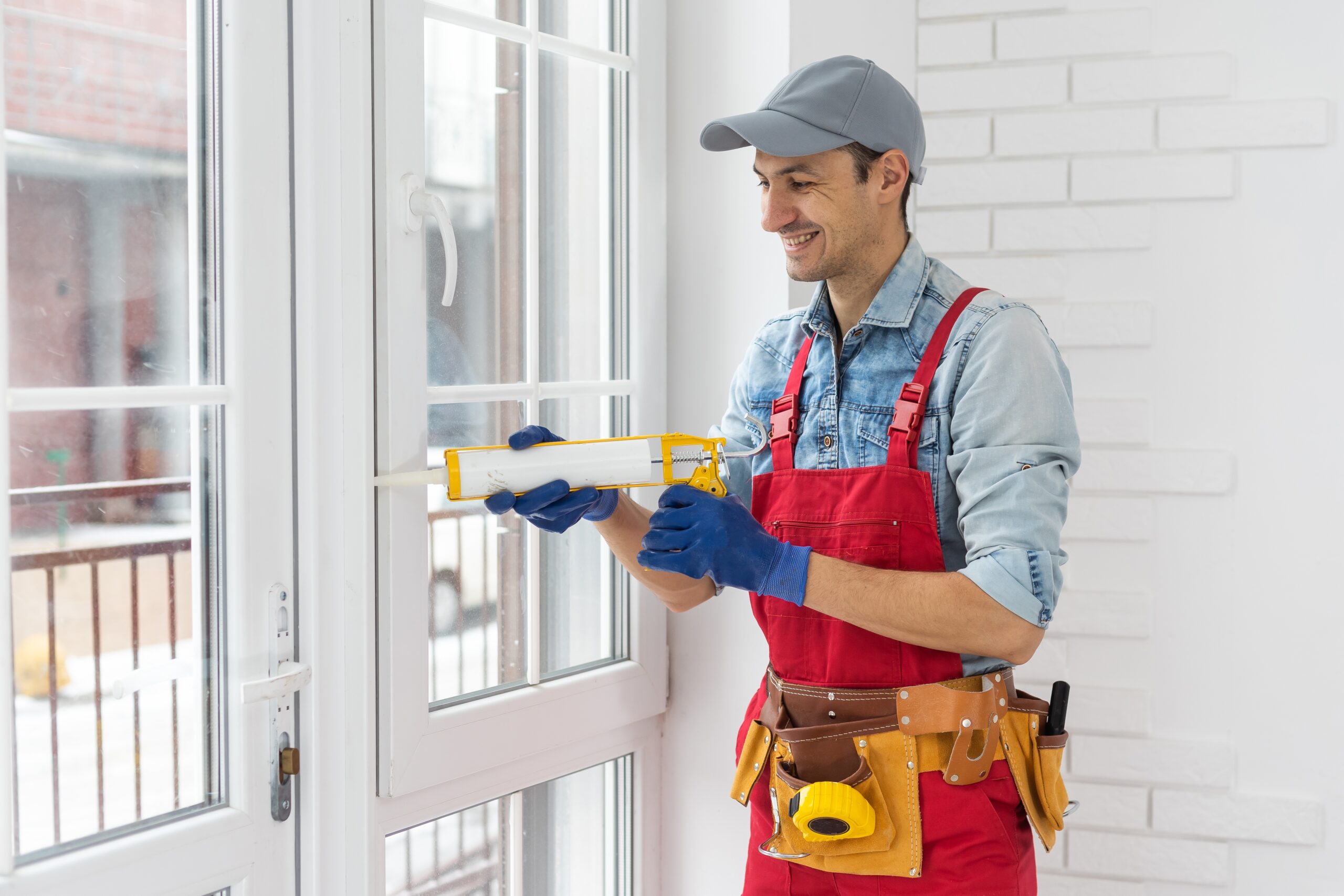
Weatherstripping plays a key role in sealing gaps along the sliding edges. Proper insulation prevents drafts, moisture infiltration, and condensation buildup. Over time, worn seals can reduce efficiency, making inspection important during replacement projects.
Modern sliding systems often exceed older models in insulation performance. Upgrading improves year-round indoor comfort and can reduce heating and cooling costs.
Homeowners can choose from several configurations depending on space and design goals.
Feature | Two-Panel System | Three-Panel System | Multi-Panel Stacking |
Opening Width | Standard | Wider access | Expansive opening |
Natural Light | High | Higher | Maximum |
Cost Range | Moderate | Higher | Premium |
Ideal For | Patios | Larger decks | Open-concept homes |
Installation Complexity | Moderate | Advanced | Most complex |
Selecting the right configuration depends on wall space, structural support, and desired indoor-outdoor flow.
Older homes may present framing irregularities, water damage, or settling that affects alignment. In these cases, structural reinforcement or reframing may be required before installation.
Track systems must remain perfectly level to prevent premature roller wear. Sealant application must accommodate expansion and contraction due to temperature changes. Skilled installers anticipate these variables to prevent long-term performance issues.
Thorough preparation distinguishes a temporary fit from a long-lasting installation.
Routine maintenance protects your investment. Tracks should remain clean and free from debris. Rollers may require occasional adjustment to maintain a smooth gliding motion.
Inspecting weatherstripping annually helps preserve insulation performance. Lubricating moving components reduces friction and noise. Small preventive actions extend the system’s lifespan and maintain ease of operation.
Well-maintained sliding doors provide dependable performance with minimal intervention.
Our team prioritizes secure installation and lasting performance.
Sliding glass doors enhance light, accessibility, and visual openness while improving property value. However, their performance depends heavily on proper material selection, structural preparation, and precise installation. Understanding each phase, from framing inspection to sealing, helps homeowners make informed decisions.
When installed professionally, sliding glass doors deliver smooth operation, improved insulation, and long-term durability. With Clear Winner, homeowners receive expert guidance and installation services designed for lasting comfort and reliability.
Most sliding glass door installations are completed within one day, depending on structural conditions. If framing repairs or resizing are required, additional time may be necessary. A professional assessment in Palm Desert, CA, provides a clear project timeline before work begins.
Modern sliding doors with insulated frames and Low-E glass offer strong thermal performance. Proper installation and sealing are essential to maximize efficiency. Older models can often be upgraded to improve insulation and reduce energy loss.
In Palm Desert, CA, replacement is recommended when frames warp, glass seals fail, or structural damage affects proper alignment. Minor issues like worn rollers or debris in the track can often be repaired. A detailed inspection helps determine the most cost-effective solution.
Once you submit, we may reach out to you via phone, email, or text to fetch information, which you can opt out of at any time. We will never share your personal information with third parties for marketing purposes. Consent is not a condition of purchase. Message/data rates apply.
Terms and Conditions | Privacy Policy.

Introduction Your front door does more than swing open and shut. It safeguards your home, sets the tone when visitors come to the door, and

Home maintenance has entered a new era where problems can often be prevented instead of repaired after damage occurs. Artificial intelligence is changing how technicians

Artificial intelligence is reshaping how homeowners and property managers approach repairs, maintenance, and long-term home efficiency. From predictive inspections to automated diagnostics, AI-powered tools are