


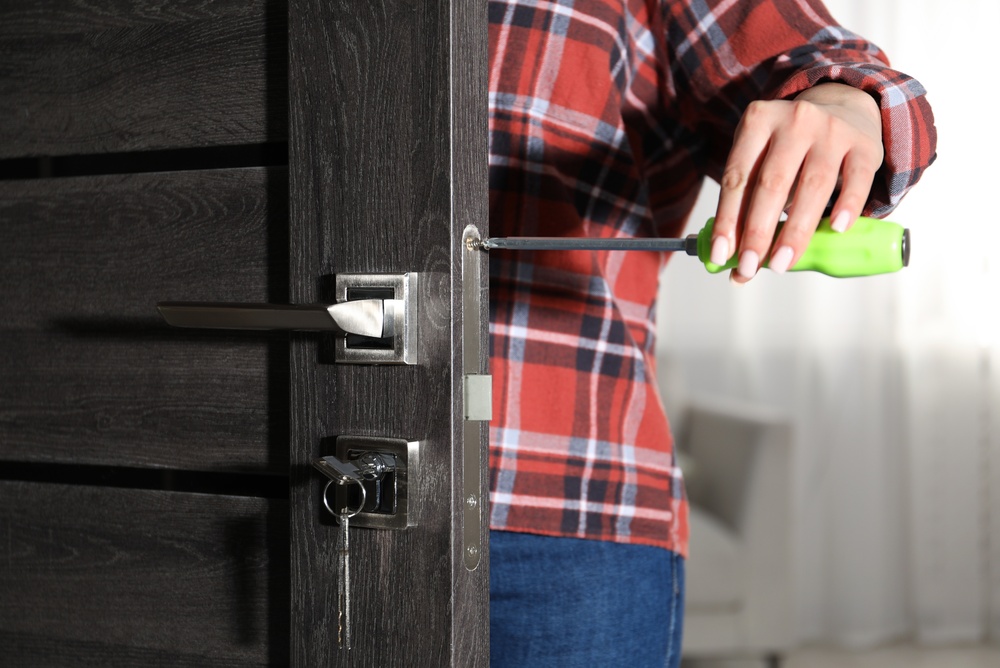
A front door tells itself long before it finally fails. The morning catch as the latch misses by a hair, the way the deadbolt needs a little shoulder lean to throw, those are the early whispers homeowners shrug off until the screws start backing out of the hinge plate. That’s the point where most folks finally call about entry door repair in La Quinta, CA, because the door has shifted enough to scrape the threshold and let a thin line of daylight show along the strike side. Desert heat does no favors here. Steel jambs warp under a hundred and ten degrees of afternoon sun, wood frames check and split where the sprinklers hit, and the hinges that came from the original 1998 build start to feel every one of those swings. The good news is that most of these problems have repair paths that cost a fraction of a full door swap if you catch them in time, and the techniques below cover what actually works in this climate.
1. Why hinges fail before everything else
Hinges carry the door’s full weight on three small pins, and over twenty years, that math catches up with even the best hardware. The top hinge takes the worst of it because gravity pulls hardest at the highest pivot point, which is why almost every sagging door you see leans toward the strike side first. Look for a faint half moon scrape on the threshold or a fresh chip in the paint where the door corner kisses the floor, those are the tells that the top hinge has loosened past the point of cosmetic concern. The screws strip out of the soft pine jamb material common in tract homes, and once the hole is wallowed, no amount of retightening keeps the door steady for long. A proper fix means longer three inch screws driven into the stud behind the jamb, or a wood plug glued in tight before the new screws bite into solid material again.
2. Reading the warning signs in the frame itself
Frames give away their condition the moment you start looking. Run a finger along the jamb leg about waist high and check for soft spots, cracks running diagonally from the strike plate, or that telltale white crust where moisture has been wicking up from the slab. Paint that bubbles in a vertical line, often two or three feet up from the threshold, points to a hidden water track from a sprinkler head that’s been spraying the door for a season too long. Compression damage shows up around the strike plate as a small dent or a hairline crack radiating outward from years of the deadbolt slamming home. Catch these signs early enough, and a wood epoxy repair handles them inside an afternoon, miss them and the entire jamb section needs cutting out and splicing in with a fresh piece of fir milled to match.
3. The fix list every homeowner should know
Most door problems trace back to a few common fixes, and entry door hinge and frame repair solutions make up the bulk of any reputable contractor’s daily work in the Coachella Valley. Longer hinge screws that reach the framing stud behind the jamb solve roughly half of the sag complaints on the very first visit, a fifteen minute fix that can buy years of trouble free swing. Replacing the strike plate with the bigger 4-inch security plate cures alignment issues and adds real burglar resistance for under $30 in parts. Jamb leg splicing handles the rot and split sections that epoxy can’t, while a fresh threshold sweep cuts down the dust infiltration that desert homes deal with from March through May. For genuinely tired doors, a full slab swap into the existing frame costs about half as much as a complete unit replacement and leaves the casing and paint untouched.
4. When the project is bigger than the front door
Sometimes the front door isn’t the whole story. Owners taking stock of one tired opening often realize the patio slider has been getting worse on the same timeline, and that’s when sliding glass door installation in Palm Desert, CA, ends up in the same conversation as the front entry fix. Same contractor, same trip charge, same warranty paperwork, the bundling math just works in the homeowner’s favor most of the time. Garage entry doors hide their own quiet problems too, especially the weatherstripping that flattens against the hot concrete slab and the threshold that splits where the door drags. Roll it all into one visit if the budget allows, the cumulative result transforms how the whole house feels by the end of a single weekend.
5. What a fair quote actually looks like
Quotes vary widely in this market, and homeowners benefit from knowing the rough numbers before the truck pulls up. Hinge adjustments and longer screw upgrades typically run $85 to $150 for the visit, all in, parts included. Strike plate replacement and lock realignment fall in the same range, usually bundled into a single service call. Jamb splicing and epoxy work climb to $300 to $650, depending on how much wood needs to be cut out, while a full slab swap into existing framing runs $700 to $1,400, with the door itself included. Anything quoting under those floors usually skips a step, anything above without specific reasoning likely has padding in it, and a contractor willing to walk through the line items in writing is worth their hourly rate twice over.
Conclusion
Front doors set the tone for a home in ways that go beyond curb appeal. A door that closes cleanly, locks with one motion, and seals tight against the dust says something about how the house has been cared for. Most repair paths cost a tenth of a full replacement and last for years when the underlying frame is still structurally sound. Get the inspection done before the next windy March drives more grit into the gap. The right fix at the right moment saves real money and real frustration down the line.
“Doors that drag, latches that miss, jambs that flex. Phone Clear Winner at 760-338-0364, we’ll quote the fix in writing and have it sorted this week.”
FAQs
Q1: Why does my front door catch on the threshold in La Quinta, CA, around midsummer?
Heat causes both the door slab and the metal threshold to expand slightly, and even a sixteenth of an inch is enough to create that scraping catch. A hinge adjustment or a small threshold trim usually clears it up inside an hour.
Q2: How often should homeowners in the Coachella Valley check their door hinges?
Once a year is the right cadence, ideally before summer hits in full force. A quick check for loose screws, soft jamb wood, and even gaps around the slab catches most problems while they’re still cheap to fix.
Q3: What’s the cost difference between repairing and replacing a front door?
A solid repair on a sound frame runs $150 to $700 in most cases, while a full replacement door with new framing climbs to $2,200 to $4,500 installed. Replacement makes sense when the jamb is rotted through, otherwise repair is the smarter call.