


There’s a particular moment when a homeowner finally accepts that the old slider has to go. Usually, sliding glass door installation in Palm Desert, CA, doesn’t enter the conversation until the door starts sticking on its track or the glass fogs up between the panes during a January cold snap. By that point, the rollers have been crying for help for months, and the rubber seal at the bottom has flattened into a thin gray strip that lets summer heat creep in like an uninvited houseguest. Most desert sliders take a beating from UV exposure, blown sand, and decades of poolside foot traffic, so a real swap is usually overdue by the time anyone calls for a quote. What follows is a clear look at what the project actually involves, from the first measurement and the foam in the can to the final cleanup, with no fluff about features you’ll never use.
1. The first signs you’re past patching
Doors don’t usually fail all at once, they degrade over years of small, ignored signals that build into a real problem. A slight catch as the panel reaches the halfway point, a faint scratching sound that wasn’t there last spring, the smell of warm aluminum on August afternoons when the sun hits the frame just so. Owners often blame the rollers and replace them once or twice, only to discover the track itself has bent under thirty years of weight from sliding the panel ten thousand times. Once a track loses its line, no amount of silicone spray brings the smooth glide back, and the lock plate starts missing the catch by a sixteenth of an inch. That’s the moment to call someone who can measure the rough opening accurately, check the header, and quote out a real replacement instead of another short term patch.
2. Walking through install day
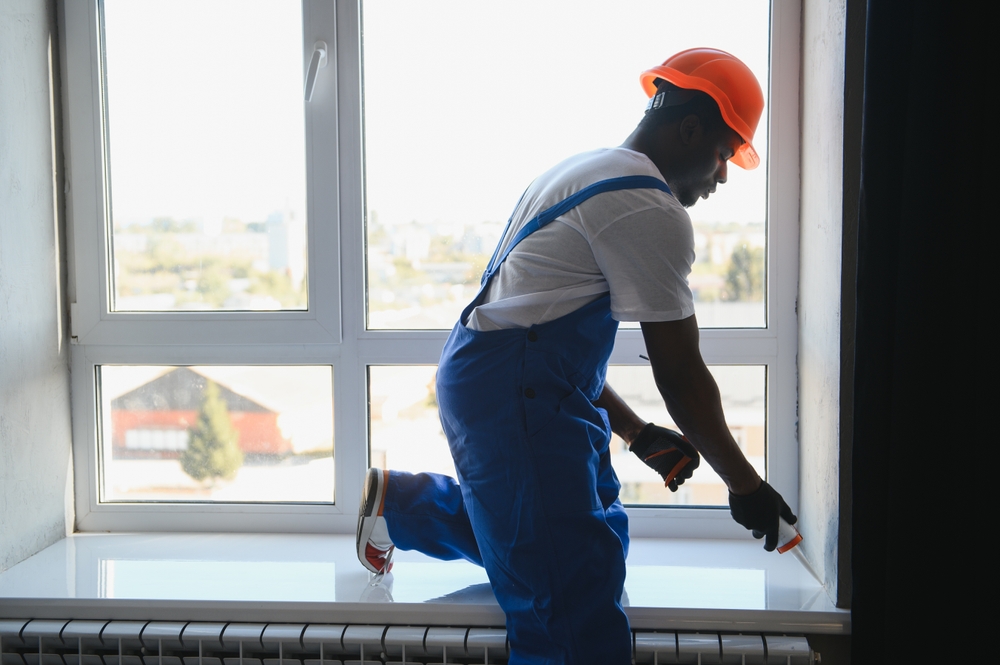
Crews typically arrive in the morning with the new unit, foam, shims, and flashing tape staged on a tarp in the driveway. The old door comes out in under an hour for a standard 6 foot opening, longer for the wider 8 and 10 foot units that have become popular on west facing walls overlooking the pool. Expect a stretch of about three hours where the opening sits exposed to the desert air, so the team will tape plastic across any interior doorways and run a small fan to keep dust contained. Once the new frame goes in, plumb and level checks happen before the screws go home, then the glass panels are set, the rollers adjusted, and the casing trimmed clean. By late afternoon, the new door is sliding clean on the first push, and the crew runs a vacuum across the tile to leave the room cleaner than they found it.
3. Budget and schedule, no surprises
Most homeowners want to know two things upfront, and the conversation about sliding glass door installation cost and timeline usually opens the very first site visit. A standard 6 foot, double panel unit runs between $1,800 and $3,200 installed, depending on the glass package, the frame material, and whether the existing header needs reinforcing. Wider 8 and 10 foot multi-panel sliders climb into the $4,500 to $9,000 range, and pocket style configurations push higher still because of the wall pocket framing required behind the drywall. Lead times for stock sizes hold around two to three weeks from order, while custom sizes, special finishes, or impact-rated glass typically stretch the wait to six or eight weeks. The install day itself is almost always a single workday, with the punch list, caulking, and the final fine adjustment of the latch wrapping up the following morning.
4. When other openings deserve attention too
Once the patio slider is sorted, owners often look around the house and notice the front entry aging right alongside it. Cracked weatherstripping, a deadbolt that drags, hinges that squeak in the morning, and a threshold that’s swelled in the August humidity are all common in homes more than fifteen years old. That’s when calls about entry door repair in La Quinta, CA, start showing up on the same job ticket, since it makes practical sense to tackle related work while a qualified door crew is already on site with the tools out. Bundling the visit also tends to trim a couple hundred off the trip fee and any minimum visit charges, and a single contractor warranty on both pieces is easier to track than two separate paper trails six months apart. Save the kitchen pocket door for a third visit if it needs work, that one tends to need its own quiet afternoon.
5. Picking glass that survives valley summers
Glass selection is where a project either earns its money back over the years or quietly disappoints. Low-E coated dual pane with argon fill is the baseline in this climate, and triple pane is worth a serious look for west or south facing walls that take the worst of the afternoon hit from May through September. Tempered glass is mandatory by code for any panel within 24 inches of a walking surface, so the patio slider always carries that requirement without any debate. Bronze and gray tints help cut glare without making the room feel cave dark by 4 p.m., and laminated security glass adds a real burglar deterrent for homes set back on the quieter blocks off Country Club Drive. Skip the cheap clear single pane upgrade no matter how attractive the price tag looks at the showroom, your cooling bill will resent the choice every summer for the next twenty years.
Conclusion
A new slider changes how the house feels more than people expect. The backyard suddenly feels closer, conversations carry less from inside to out, and the AC stops grinding away during the hottest part of the day. Pair that with the savings on cooling bills and the fresh look of clean glass and quiet rollers, and the project earns its place near the top of the home improvement list. Plan the work for spring or fall when crews have shorter calendars and the weather cooperates with curing sealants. The right install pays back in comfort, value, and quiet daily satisfaction.
“Smooth open patios start with a smooth install. Ring Clear Winner at 760-338-0364, we’ll measure your opening, talk costs, and book your slider date.”
FAQs
Q1: How long does a sliding door swap actually take in Palm Desert, CA?
Most standard 6 foot openings wrap up in a single workday, usually six to eight hours from arrival to final cleanup. Wider configurations and pocket style sliders can stretch that into a second day, mostly because of the framing inspections.
Q2: What size patio door is most common in Coachella Valley homes?
The 6 foot, double panel slider is still the most common original spec on homes built between 1990 and 2010 around the valley. A lot of homeowners upgrade to the 8 or 10 foot multi-panel versions when they renovate, especially on the pool facing wall.
Q3: Why does my old slider get harder to open every summer in La Quinta?
Aluminum frames expand in the heat, and the rollers underneath wear down faster on a track that’s already slightly bent from years of use. By July, that combination usually means the door catches at the same spot every time you try to slide it.